
加载中...
共找到 18,131 条相关资讯

A few weeks ago, I covered the Investors Intelligence (II) sentiment survey and noted that extreme bullishness from published stock market newsletters has historically been followed by market underperformance.


The airline industry faces significant risks from the Iran conflict, primarily via higher oil prices and regional flight disruptions. Margins for major US airlines could fall from 6% to near break-even if oil prices remain elevated and costs cannot be passed to consumers.
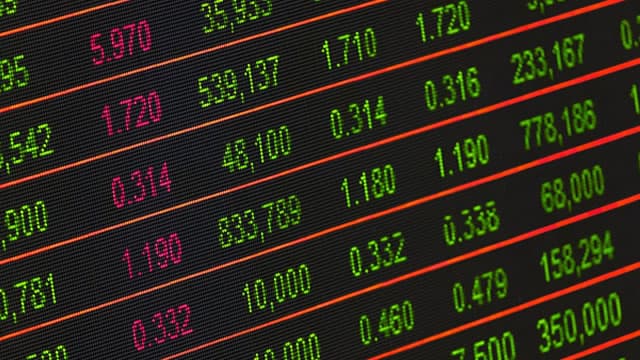
South Korea's KOSPI index crashed nearly 20% in two days, driven by energy dependency, FX weakness, and leveraged margin calls. Major tech stocks like Samsung (SSNLF) and SK Hynix (HXSC.F) suffered double-digit declines, triggering a cascade of forced selling and algorithmic trades.

Treasury Secretary Scott Bessent said President Donald Trump's recently announced 15% global tariff will be implemented this week. Bessent predicted that U.S. tariff rates will return in five months to where they stood before the Supreme Court struck down Trump's "reciprocal" duties.

During times of turbulence and uncertainty in the markets, many investors turn to dividend-yielding stocks. These are often companies that have high free cash flows and reward shareholders with a high dividend payout.

Large institutional investors are now net sellers of single-family rental homes. Dallas investors own 9.2% of the housing stock but account for 22.8% of new for-sale listings, according to research from housing data and analytics firm Parcl Labs.
I remain bullish on the economy and stock market but highlight substantial AI-driven disruption, CapEx hangover, and credit contagion risks. Capital is moving rapidly, creating a binary, stock-picker's market where AI adoption quickly distinguishes winners and losers.
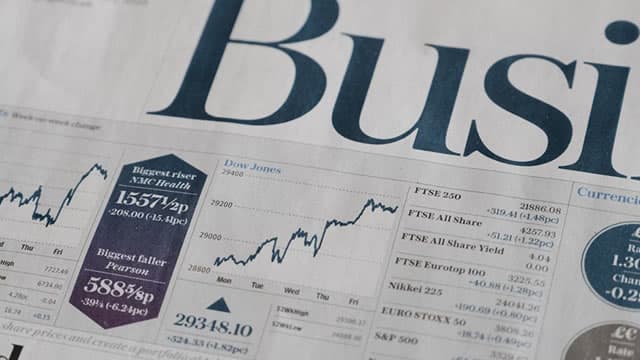
Having missed the onset of a historic inflation surge just years ago, European Central Bank policymakers are likely to avoid casting any Iran war-induced price spike as "transitory" and may keep a lower bar for policy action than in past energy price shocks.

Inflation is the major risk facing global bond markets, a senior OECD official told Reuters, as energy prices surge following the U.S.-Israeli air war against Iran.
Cryptocurrency exchange Kraken's banking unit has won access to the Federal Reserve's core payment systems, the Wall Street Journal reported on Wednesday.
CNBC's Joe Kernen reports on the 5 things to know on March 4, 2026.
The overnight plunge in South Korea suggests investors can't see where the next pocket of risk will emerge.
Markets can and will get past geopolitical conflicts eventually. But the road between Point A to Point B can be volatile and financially treacherous.

Markets are influenced by a constant interplay between short‑term narratives and underlying fundamentals. Emotions are high around AI, yet earnings data and analyst earnings expectations haven't deteriorated meaningfully.

The most oversold stocks in the financial sector presents an opportunity to buy into undervalued companies.
After a relatively positive and calm start to the year in January, February proved to be much more eventful across markets and the economy. February has offered yet another stark reminder that markets and economic events are often frustratingly unpredictable, but also that maintaining a long-term view is often the most prudent approach in a world where successful market timing is next to impossible.

The decision means the industry is a step closer to becoming integrated into the mainstream financial system.

Recent U.S. and Israeli strikes in Iran mark a significant escalation in the Middle East conflict, raising the risk of broader regional spillovers with global market consequences. The dominant economic risk centers on potential disruption to the Strait of Hormuz, a critical maritime chokepoint along Iran's southern coast.

Inflation worries have pushed the 10-year Treasury yield back above 4%.
Ships wanting to pass through the Strait of Hormuz are finding it almost impossible to buy hull war cover following the conflict between Iran and the US and Israel. The Strait, a narrow stretch of water connecting the Persian Gulf and the Gulf of Oman, is a key shipping lane through which roughly 20% of the world's seaborne oil and gas is transported.