
加载中...
共找到 18,286 条相关资讯
History tells us that large and rapidly growing debt in major economies often foreshadows a financial crisis. It also tells us that close global cooperation and trust in U.S. leadership have been critical to preventing and resolving such a crisis.

The fractured relationship between Dario Amodei and Sam Altman will color the debate around how artificial intelligence should develop.

The global financial landscape has been fixated on the Iran war in recent days. While the strikes that killed Tehran's supreme leader and the nation's subsequent “retaliation” were broadly expected to hurt stock prices, markets have actually shown a surprising level of resilience.

The week experienced the problematic scenario for highly levered global markets: sharply lower stock prices, widening spreads/risk premiums, rising Treasury/sovereign yields, and currency volatility. The S&P 500 dropped 2% this week, not reflective of the stress throughout global markets.

Oil and gas prices surge amid Iran war. Bond yields rise on inflation concerns.

Escalating conflict between the U.S., Israel, and Iran pushed crude oil above $90 per barrel and created significant cross-asset volatility, with energy and defense stocks benefiting while travel and transport names came under pressure. Despite macro turbulence, strong demand signals across AI hardware and software - from companies like NVIDIA, Broadcom, and Marvell - helped stabilize technology leadership and drove rebounds in semiconductors and enterprise software.

U.S. stock benchmarks get rejected roughly after a toxic fundamental combo. Gigantic misses in Non-Farm payrolls and Retail Sales combine with rising Oil prices towards Stagflation angst.

When ChatGPT made its debut on November 30, 2022, it unleashed the hype of AI, and in the three years since, AI has taken on an outsized role not just in markets but also in our lives. The Citrini AI scenario must have hit some targets, because in the days since, we have been flooded with scenarios countering Citrini and arriving at different outcomes.

Federal Reserve Vice Chair for Supervision Michelle Bowman discusses the Federal Reserve's regulatory efforts on ‘Kudlow.' #fox #media #breakingnews #us #usa #new #news #breaking #foxbusiness #kudlow #economy #federalreserve #banking #regulation #finance #michellebowman #monetarypolicy #interestrates #inflation #financialsystem #oversight #markets #wallstreet #policy #capital #growth
Escalating Middle East conflict and disruptions in the Strait of Hormuz have pushed Brent crude to $90 a barrel, raising fears of oil hitting $150. A surprising contraction in the US labor market (unexpected job losses in February and unemployment at 4.4%) has increased the chance of a June or July interest rate cut by the Fed.
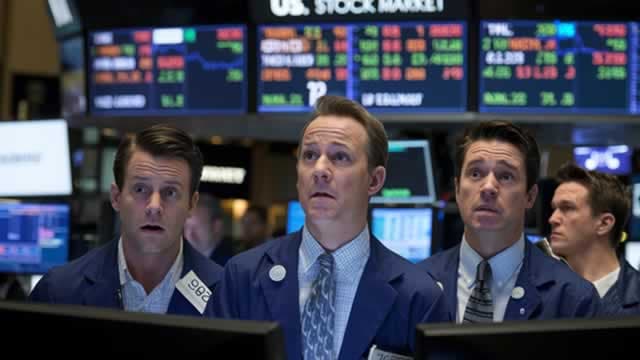
A week that focused on war in the Middle East ended with renewed worries about the U.S. economy.

In just two months, the iShares Expanded Tech-Software Sector ETF fell more than 22%, taking its total decline from its peak to over 30%. In the early weeks of 2026, it seemed as though every weekend a new negative article about the sector was published.
Payrolls grew by an average of just 18,000 in each of the past three months. Plus, market newsletter commentary on China's reduced growth target, higher oil prices, AI stocks.

Federal Reserve Bank of Cleveland President Beth Hammack said on Friday that while she expects inflation pressures to moderate, if they are not easing later this year the U.S. central bank may have to weigh tighter monetary policy to ensure price pressures retreat to 2%.

The S&P 500's next major move hinges on oil price direction amid geopolitical tensions and supply dynamics. A spike to $120 oil could trigger a 5–10% S&P 500 correction via stagflation, higher yields, and margin compression.

Michael Schumacher, Wells Fargo, joins 'Fast Money' to talk the state of the U.S. economy as oil prices are spiking on geopolitical concerns, and gives advice to bond market investors.

The Dow Jones average and other stock indexes dive Friday as oil price extend their surge amid the U.S.-Iran war. Jobs fall in February.

It was the rise of the rank and file for the last few months but with their slips, is it time for more cash?
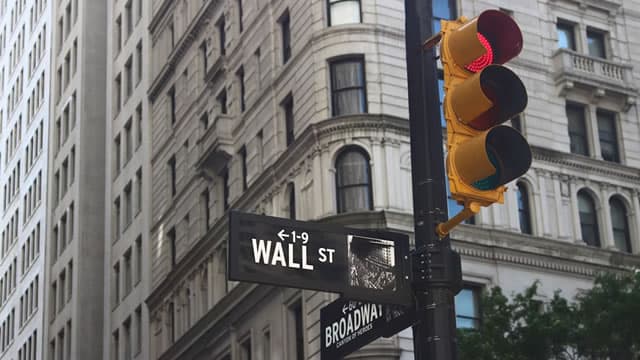
In a week when conflict in Iran sent the U.S. equity market into a tailspin, technology stocks tied to cybersecurity and artificial intelligence have proved more resilient than sectors investors have typically treated as safe havens.

If the market feels faster and more chaotic than it used to, you're not imagining things.