
加载中...
共找到 18,446 条相关资讯
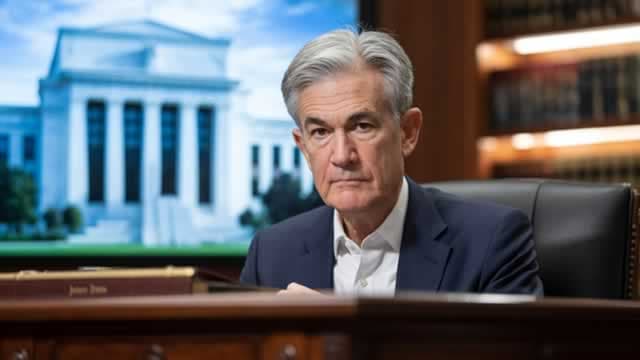
Jeanine Pirro, the top federal prosecutor in Washington, is set to give an update on the criminal investigation of Federal Reserve Chair Jerome Powell. Pirro's planned statement comes as Sen.


We have recently experienced market volatility and obvious signs of rotation among stock market sectors. Currently, most of the damage to the stock market seems to be concentrated within software business.
It isn't just oil that's at risk in an extended war. Key chip-making ingredients like helium and bromine come from the Middle East—as does an increasing amount of AI funding.

As more and more tankers were attacked near the Strait of Hormuz throughout the week, crude broke out of its temporary ~$80 range. Today could have somewhat eased the pressure, but the petrol bulls came right back to fuel the commodity.

The strikes on Iran have changed the trajectory of GDP growth and inflation rates in the United States. As a result, economists fear the dual threat of stagflation: weaker labor markets with higher prices for consumers.

War is never a good thing—but it can reorient an economy in some positive ways.

One reason for utilities' success is investors appear to be gravitating toward defensive, hard-asset stocks.

The U.S. economy, hobbled by last fall's 43-day government shutdown, advanced at an unexpectedly sluggish 0.7% annual rate from October through December, the Commerce Department reported Friday in a big downgrade of its initial estimate.

A potential U.S. ground invasion in Iran could trigger an 8%-10% S&P 500 correction, with the market already pricing in some conflict risk. Prolonged conflict may sustain oil above $80-$90/barrel, with logistical risks at the Strait of Hormuz possibly pushing prices toward $150 in a worst-case scenario.

Decisions by major central banks, including the U.S. Federal Reserve, will take center stage in the coming week as investors watch how policymakers react to the recent jump in oil and gas prices.

Social Security's Old Age and Survivors Insurance Trust Fund is projected to be depleted by fiscal year 2031, accelerating previous insolvency forecasts. The annual Social Security deficit is rapidly growing due to demographic shifts, high COLA adjustments, and legislative changes reducing revenue.

Dividend-paying stocks are closing the earnings growth gap with technology stocks in the Nasdaq 100. Strong operating performance and improving margins have helped boost profits for many companies across the market in more defensive sectors.

Charts like the 10-year Treasury yield, the copper-to-gold ratio, and the VIX help reveal shifts in risk appetite, economic momentum, and investor sentiment.

Excluding the volatile food and energy categories — which the Fed pays closer attention to — core prices rose 3.1%, up from 3% in the prior month and the highest in nearly two years.
It's Friday the 13th and ahead of the Ides of March this weekend. Not sure this is apropos of anything, but this morning brings us a heap of economic data. We can decide for ourselves whether we need to beware of anything. Pre-market futures are up following the release of this data, bringing in a spring green a week ahead of the season's change.

US stocks were mixed and oil ticked back up to $100 a barrel after earlier dips in the session as investors braced for a possibly prolonged war in Iran and the White House announced a temporary lift on Russian energy sanctions.

Previous Mideast conflicts have caused recession. Today's economy has more insulation from oil shock, but is showing some strains.

The latest batch of economic data raises the question: Is the U.S. economy heading somewhere bad?

The stock market largely fell in a volatile week as oil prices surged amid the Iran war. Oracle and Nvidia helped support AI stocks.

U.S. equities traded in mixed territory Friday morning as Wall Street weighed a stark downward revision to fourth-quarter economic growth against a sticky inflation reading prior to the oil shock of the war in Iran.