
加载中...
共找到 18,466 条相关资讯

Treasury yields edged higher as investors weighed escalating tensions in the Middle East and rising oil prices ahead of the Federal Reserve's policy decision.


Our baseline continues to assume rate cuts by the Fed and no hikes by the ECB. USD and EUR rates could end the year lower as the growth outlook worsens, and we still expect a return to 1.20 in EUR/USD this year.

Tom Mackenzie, Lizzy Burden and Mark Cudmore break down today's key themes for analysts and investors on "Bloomberg: The Opening Trade." Chapters: 00:00:00 - MLIV 00:00:04 - Stocks' Bear Market 00:00:51 - Asian Stocks 00:01:57 - Iran War: Oil Price 00:02:32 - US Dollar Strength, S&P Futures -------- More on Bloomberg Television and Markets Like this video?

Several U.S. allies rebuff President Trump's call to help reopen Strait of Hormuz waterway
Young consumers in the United States are doing more than ever to stay afloat, but new data shows that effort alone is no longer restoring their sense of control.

European stocks are expected to open broadly flat on Tuesday as global markets keep a close eye on volatile oil prices.

The simultaneous gain in prices of crude and Asian stocks is notable, as the two have been mostly moving inversely since the Middle East conflict began.

Investors may need to tighten their seatbelts as the second quarter approaches. Morgan Stanley's chief US equity strategist, Mike Wilson, says a near-term retreat in US stocks is likely before the market finds its footing again.

The Reserve Bank of Australia increased the official cash rate to 4.10% as the conflict in Iran worsened existing concerns around an acceleration in inflation.

U.S. equity markets experienced broad-based weakness this week as investors remained cautious amid ongoing macroeconomic uncertainty and continued sector rotation. Despite the broader market softness, the energy sector showed relative strength, supported by firm commodity prices and continued geopolitical tensions.

Tressis chief economist Daniel Lacalle analyzes the Federal Reserve's moves amid geopolitical uncertainty on 'Making Money.' #fox #media #breakingnews #us #usa #new #news #breaking #foxbusiness #makingmoney #economy #oil #energy #inflation #interestrates #federalreserve #jeromepowell #markets #finance #geopolitics #economics #money #global

Oil prices rose more than 2% in early trade on Tuesday, reversing some of the previous session's losses, on worries about supply with the Strait of Hormuz mostly shut and U.S. allies rebuffing calls to send warships to help tankers move through the vital waterway.

A series of supply setbacks has kept prices above target for five years. Now officials have to put a number on what that means for interest rates.

Japanese stocks were broadly higher as overnight declines in crude oil prices ease fears about energy costs amid the Middle East conflict.

Portfolio positioning should be scenario-driven, with a focus on Iran conflict timelines and outcomes. We run through different scenarios and timelines.

The Securities and Exchange Commission (SEC) is preparing to propose that it eliminate the quarterly reporting requirement and allow public companies to report earnings only twice a year, The Wall Street Journal (WSJ) said Monday (March 16).
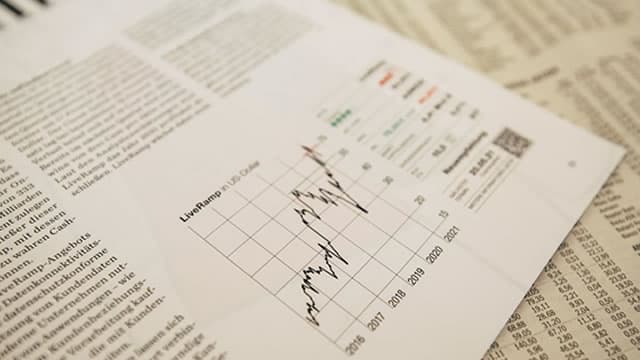
The Securities and Exchange Commission is preparing a proposal to scrap the requirement for companies to report their earnings every quarter and giving them the option to share results twice a year, the Wall Street Journal reported Monday.

Indexes post broad gains as oil slides in Monday's stock market. Nvidia rises as GTC 2026 kicks off with CEO Huang's keynote speech.

Phil Rosen looks turns back the pages of history books to make his bullish case for markets this year. He doesn't think the story for investors has changed “that much” despite the U.S./Iran conflict.

Invesco's Brian Levitt and Bartlett's Holly Mazzocca join 'Closing Bell' to discuss if the war in Iran has created a buying opportunities for equities, the playbook for equities this year and much more.