
加载中...
共找到 18,589 条相关资讯
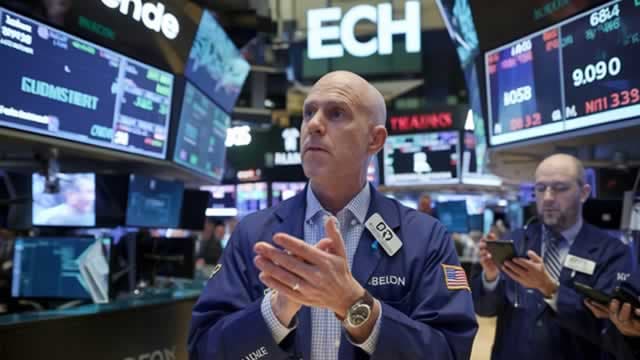
JPMorgan Equity Premium Income ETF (JEPI) is built to cushion volatility, but investors may find stronger returns in defensive sectors and dividend funds.

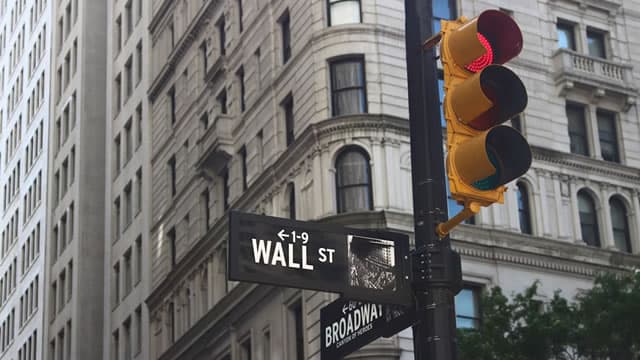
The stock market broke below key support due to high oil prices and surging bond yields amid the Iran war.
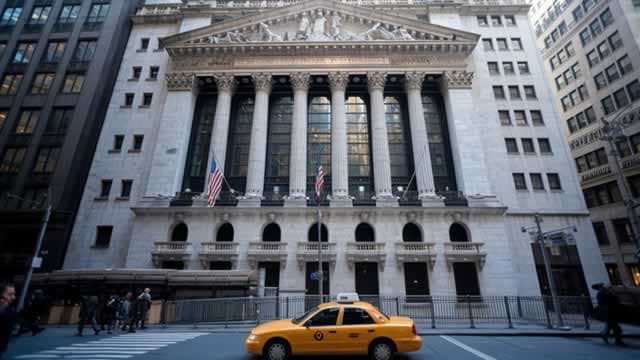
Lisa Shalett, chief investment officer at Morgan Stanley Wealth Management, joins 'Money Movers' to discuss the state of markets, the conflict in the Middle East and more.

Provisional purchasing managers' surveys for March in the U.S. and Europe in the week will provide a key gauge of how the ongoing war in the Middle East has impacted sentiment and business activity.

The ongoing Iran war has escalated beyond expectations, undermining market confidence and contributing to a downtrend in the S&P 500. Recent U.S. actions, including potential sanction relief on Iranian oil, are seen as short-term fixes rather than bullish catalysts.

Economic signals around the U.S. economy have been mixed so far in 2026, and the recent conflict in the Middle East has introduced more uncertainty. The two key economic drivers right now appear to be the AI-driven tech spending boom and continued large fiscal deficit spending.

Higher oil prices resulting from the U.S.-Israeli war in Iran are dashing hopes for any interest-rate cut by the Federal Reserve this year and even leading to growing chances of a rate hike.

Schwab Asset Management CEO and CIO Omar Aguilar says that investors aren't getting FOMO in this market, but they're instead avoiding risk.

"We need this war to end," says Matthew Tuttle, pointing it as the crux to fears of stagflation and long-term crude oil volatility. He believes the metals trade will regain traction in commodities as uncertainty continues.

Energy investors are on edge over the run-up in oil prices triggered by the U.S.-Israeli attack on Iran that began in late February.

Also in Weekend Reads: A retirement-planning mistake and how to correct it, deeper thinking about AI, and this week's best advice from the Moneyist.

This year's market has been an exercise in whirling rotation, and that was before heightened geopolitical uncertainty. And while things may seem rocky now, don't forget a midterm election is coming up.

Any optimistic investors hoping Wall Street would eventually move past elevated oil prices were disappointed for yet another week.

Money markets predict three quarter-point rises in UK interest rates this year, due to inflation shock from higher oil and gas prices
Keith Lerner, chief investment officer at Truist Wealth, joins 'Squawk on the Street' to discuss the state of the markets, the conflict in the Middle East and more.

Janus Living, a carve-out of medical real estate firm Healthpeak Properties, priced at the high end of its range. It will pay a dividend yielding nearly 3%.

Federal Reserve Vice Chair for Supervision Michelle Bowman says she has penciled in three rate cuts before the end of 2026, citing concerns about the U.S. labor market.

Markets may be slightly undervalued after recent volatility. U.S. Fed likely in a position where they reasonably can't cut or hike rates.

CNBC's Steve Liesman and Fed Governor Christopher Waller join 'Squawk Box' to discuss the state of the economy, impact of higher oil prices on the Fed's interest rate outlook, inflation concerns, impact of tariffs, state of private credit, and more.

Edward Mills, Washington Policy Analyst at Raymond James, Larry McDonald, Founder of The Bear Traps Report, and Kathryn Rooney Vera, Chief Market Strategist and Chief Economist at StoneX, warn conflict may last longer, fueling energy shocks, inflation and rising recession risks.