
加载中...
共找到 18,597 条相关资讯

Just weeks ago, before the missiles and drones started flying over Iran and other Persian Gulf nations and their energy infrastructure, the prevailing narrative on oil prices among analysts was some version of “lower for longer.” The international Brent index was headed for $60 per barrel, with the U.S. domestic West Texas Intermediate price lagging even lower for the rest of 2026.

Microsoft is one software company that William Blair analyst Jason Ader has called out as a likely winner in the age of artificial intelligence.
For investors, Wall Street's optimism is a flashing red light, according to DataTrek co-founder Nicholas Colas.

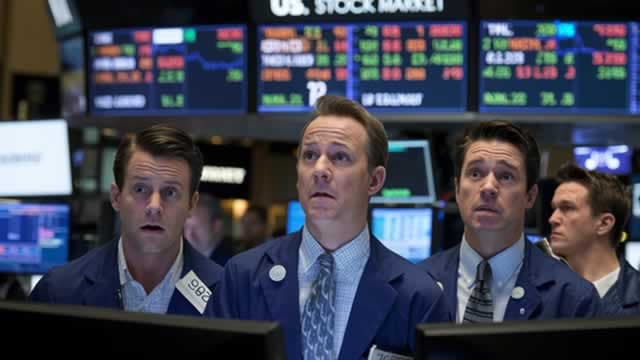
U.S. stocks traded mixed midway through trading, with the Dow Jones index gaining more than 50 points on Tuesday.

The dollar fell after US President Donald Trump said he would postpone strikes against Iranian energy targets, prompting energy prices to decline. The Bloomberg Dollar Spot Index declined 0.4% Monday in New York trading, reversing gains from earlier in the session when it touched the highest level since December.

The U.S. is uniquely insulated from the Middle East energy shock, with record domestic oil output and strong internal demand. Western oil benchmarks understate the global crisis; Oman crude hit $173, signaling severe supply constraints if the Strait of Hormuz remains closed.

Kimmeridge Head of Public Equities Mark Viviano discusses LNG markets and the impact of the Iran conflict on global energy prices with Bloomberg's Julie Fine at CERAWeek in Houston. -------- More on Bloomberg Television and Markets Like this video?

U.S. equities posted a gain of 2.41% in the fourth quarter, as measured by the Russell 1000 Index. Notably, the quarter was characterized by a broadening of leadership away from the mega-cap technology stocks as value stocks outpaced their growth counterparts. Eli Lilly was another standout performer, posting strong earnings driven by its dominant position in obesity treatments.

Higher mortgage rates, high home prices and tight supply are all conspiring to squeeze investors in the home flipping play. CNBC's Diana Olick has the details.

Unusually timed futures flows ahead of President Donald Trumpʼs Iran de‑escalation post on Monday have sparked sharp questions about whether someone close to the president is trading U.S. policy for profit.

The conflict with Iran has already put fresh stress on the U.S. economy, as companies report rising prices, fewer orders and a decline in employment.

AI Capex, private credit bubbles, and the Iran War have been headwinds to the market's positive outlook, with initial concerns rising around global liquidity getting locked up. However, Bitcoin, one of the best indicators of global liquidity, has bottomed out since the US/Iran war started, rising 11%, beating out almost every other asset class, barring crude prices.

The Iran war has revived the specter of a 1970s bogeyman known as stagflation — a period of high inflation and miserable economic growth.

Iran is vowing "complete victory" and no return to normal for the Strait of Hormuz.

The PMI composite flash came in weaker than expected, with Kevin Green attributing the report to higher prices and less demand. He explains why the number is troubling when it comes to economic growth.
Implied volatilities were mixed last week as investors weighed the impact of the ongoing Iran war. Gold volatility increased as the precious metal sold off, down over 10% last week as real yields spiked.
President Trump's announcement of a halt in the strikes on Iranian infrastructure sparked a rise in risk assets on Monday (Mar. 23). Commodities are still the strongest year-to-date performer for the major asset classes, but 2026 results are a bit less lopsided through yesterday's close, based on a set of ETFs.
Roughly 297,000 single-family homes and condos were flipped nationwide last year, according to ATTOM, a real estate data provider. That was a decrease of 3.9% from 2024 and the lowest number of flips in any year since 2020.

US stocks opened lower on Tuesday as renewed uncertainty over the Middle East conflict dampened momentum from the previous session's rally. Investors grew cautious despite US President Donald Trump's decision to delay military strikes on Iran, with conflicting signals around diplomatic progress keeping markets on edge.
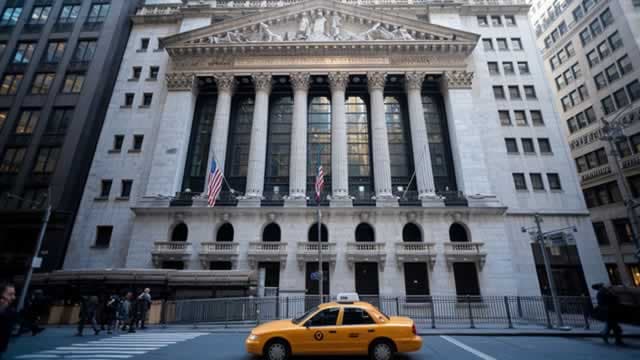
The New York Stock Exchange, part of Intercontinental Exchange , announced a collaboration on Tuesday with digital asset company Securitize to help create tokenized versions of traditional financial securities.