
加载中...
共找到 18,446 条相关资讯
The world is watching the war in the Middle East from data delivered from space. Is this the ChatGPT discovery moment for satellite stocks like SATL?

The forecasts offer an ominous outlook ahead of two inflation reports this week.
Inflation, debt and war are weighing on the U.S. and global economies, leaving Jamie Dimon looking for a "tipping point" that would shake up asset prices.
S&P 500 Posts Worst Quarter Since Q3 2022 Amid heightened Iran tensions, growing stress in private credit, and a rotation out of AI-related names, large-cap equities struggled in Q1 2026. The S&P 500 Index declined 4.3%, marking its worst quarter since Q3 2022, while the tech-heavy Nasdaq 100 Index fell even further, down 5.8%.
I believe the market is forming a major bottom, presenting a compelling buying opportunity despite recent volatility. Earnings growth remains robust, with S&P 500 Q1 2026 estimates at 13.2% and revenue growth at 9.7%, defying bearish sentiment.
National Economic Council Director Kevin Hassett on what the Iran war means for the U.S. economy, high oil prices, inflation, AI disruption to employment and more.
JPMorgan CEO Jamie Dimon warns the Iran war may lead to stickier inflation and higher interest rates than markets currently expect in 2025 and beyond.
JPMorgan Chase CEO Jamie Dimon cited geopolitical tumult as the key risk to the global economy.

JPMorgan's chief executive highlighted a range of scenarios in his annual letter to shareholders that could have a decisive impact on world affairs.

After five straight weeks of decline, the S&P 500 had a nice rebound rally in the holiday shortened week. The index rallied 3.4% while the NASDAQ was up better than four percent over four trading sessions into the three day weekend.

@CharlesSchwab's Collin Martin runs through the latest ISM manufacturing data and ways it affects the Fed's dual mandate. It plays into Collin's Big Picture perspective on the FOMC as the U.S.-Iran War, paired with energy pricing pressure, keep persistent inflation on the docket for 2026.
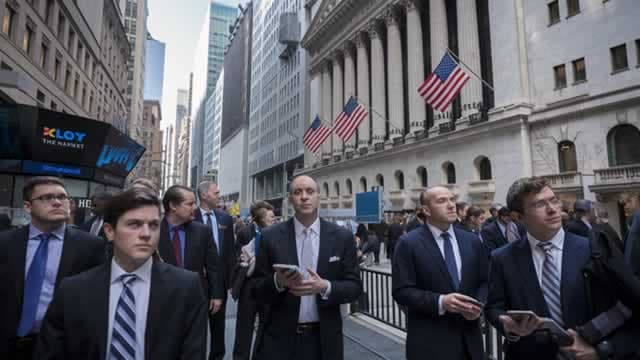
March's payrolls showed steady job growth and a small drop in unemployment, which analysts are reading it as good news. US employers added 178,000 jobs in March, lifting total payrolls while the unemployment rate edged down to 4.3% from 4.4%, according to the latest government data.

This week marks a critical inflection point as the Iran ceasefire deadline approaches, with severe market consequences if rejected. Markets remain optimistic, but I see a high risk of escalation, including potential closure of the Bab al-Mandeb Strait.

We're approaching the Tuesday 8PM deadline for Iran to open the Strait. Markets are clinging to hope of a ceasefire, which seems structurally impossible.

Global equities declined during a volatile first quarter as the war in Iran roiled energy markets and fueled inflation fears that destabilized the economic growth outlook. Emerging markets and Japan fell hardest in March but ended the quarter ahead of the global market due to stronger performance earlier in the year.

The S&P 500 Index futures rose on Monday as market participants reacted to the latest reporting that the US and Iran were in talks and considering a 50-day ceasefire. They rose by 25 points to $6,600.
Inflation pressures facing U.S. services firms were the greatest in four years last month as the war in Iran pushed up energy prices, a survey of managers found.
Q1 ended with the S&P 500 down 4.6% and oil up more than 60% since January. It was the worst quarter for stocks in four years. And two of the most respected names in investing just gave you completely opposite advice.

Global markets are entering a sixth week of stress testing as the war with Iran continues with no immediate resolution in sight. Until energy exports through the Strait return to something approximating normal levels, a global shockwave will continue to reverberate across the world economy.

Wall Street heads into a busy week with investors balancing inflation data, energy market shocks, and a fresh wave of corporate earnings. Inflation takes center stage midweek.