
加载中...
共找到 18,441 条相关资讯
Despite the US being a net exporter, disruptions in the Strait of Hormuz are hitting over half of global oil flows, exposing how fragile supply really is. Ken pushes back on “demand destruction” narratives, pointing out consumption kept growing even with $100+ oil in the 2010s.

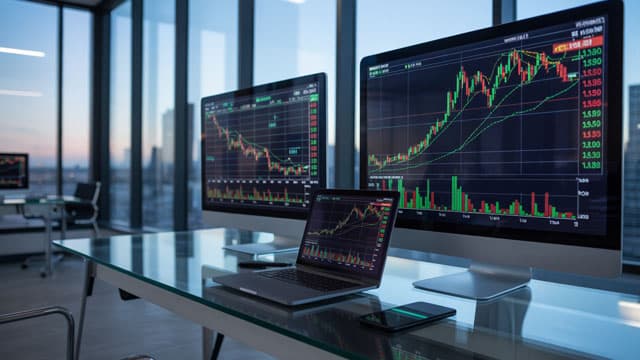
Since 2019, U.S. equities have broadly trended higher, interrupted only by the COVID crash, the 2022 bear market, and now a pullback driven by the Iran conflict.

Investors are trying to prepare for both a deal with Iran and the possibility of significant escalation. ‘Nobody knows what's going to be the next move.'
Markets "want to be higher," says Nathan Peterson with @CharlesSchwab seen in S&P 500 (SPX) resilience despite higher crude oil prices and geopolitical uncertainty. However, any pullback from key technical metrics in the index will signal deeper selling action.
U.S. imports from China have shrunk drastically. But billions of dollars of the change appear to be the result of accounting gimmicks and outright fraud.
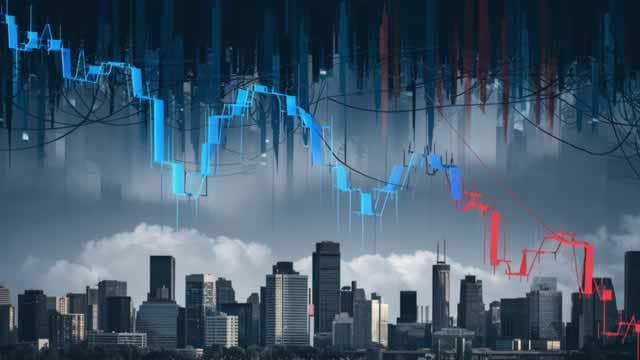
I reiterate my bullish outlook for the US stock market despite March's weak performance driven by geopolitical tensions. Market multiples have been compressed due to external shocks, but earnings remain resilient and could exceed expectations of 12% annualized growth.
You're about to tee off at the Augusta National Golf Club with a Pinnacle golf ball using a Titleist driver, wearing a Foot Joy glove and golf shoes, as well as KJUS golf shorts, shirt and jacket.

Preliminary Durable Goods Orders for the month of February (delayed — final results due in a couple weeks) came in lower than expected on headline, with spots of better news “beneath the fold.
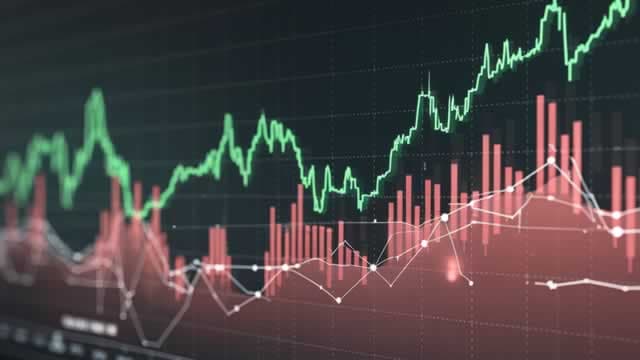
Global markets have entered a period of heightened uncertainty as investors brace for the outcome of a deadline set by US President Donald Trump for Iran to reopen the Strait of Hormuz, a critical artery for global oil flows. Iran has shown no indication of complying with the demand by the Tuesday deadline, raising the risk of further escalation.

Ruchir Sharma, chairman of Rockefeller International, joins 'Squawk on the Street' to discuss oil shocks stemming from the Iran war, economic themes, and more.

An aging population and Trump's immigration crackdown have pushed a key labor metric to a half-century low, excluding the pandemic. That has some economists nervous.

Wellness brands are fueling a growing demand for male-fertility products, selling supplements and sperm-testing kits.

The leaders of the International Energy Agency, the International Monetary Fund and the World Bank will discuss the energy crisis triggered by the Iran war next Monday, IEA executive director Fatih Birol said on Tuesday.
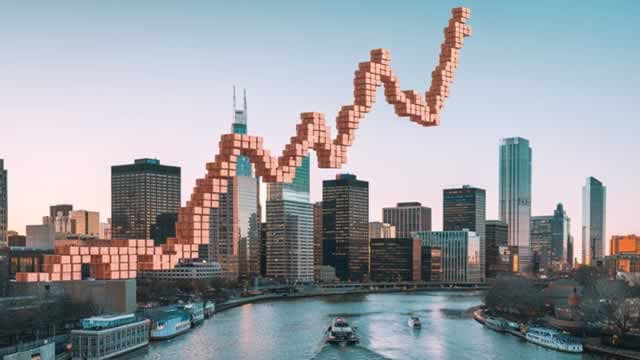
New York Fed President John Williams says that he's bringing down his forecast for economic growth this year, because of ongoing conflict in the Middle East.

Slowing down the reporting cycle is a common-sense move that protects companies from short-termism — and investors from their own worst impulses.
Crude oil prices hit their highest level since the Iran war began as the clock ticked down to President Donald Trump's prime-time deadline for Tehran to release its grip on

U.S. stocks were lower Tuesday — but with the S&P 500 still modestly positive in April — as President Donald Trump intensified his threats against Iran to reopen the Strait of Hormuz by this evening.
Benjamin Graham, the great investor after whose book this newsletter is named, was a big believer in giving investors “something to do.” He often warned that the human urge to take action would get investors into trouble unless they channeled it into simple, incremental steps.

I see a likely deal emerging between Iran and Western powers, potentially easing market anxiety and energy disruptions. Citrini Research reveals up to 50% more tanker traffic through Hormuz than AIS data shows, suggesting oil markets may misprice supply risks.
Amy Wu Silverman, RBC Capital Markets head of derivatives strategy, joins 'Squawk Box' to discuss recent institutional behavior, the market impact of the Iran war, which regional equities investors deem safest if conflicts continue, and more.