
加载中...
共找到 18,427 条相关资讯

The two-week cease-fire agreed between the U.S. and Iran has left investors less worried that major central banks will raise borrowing costs this year.


The CNN Money Fear and Greed index showed some increase in the overall fear level, while the index remained in the “Extreme Fear” zone on Tuesday.

Investors bought up Treasurys and the dollar fell to a one-month low, while gold and silver jumped as expectations of an inflation shock-induced Fed rate hike dimmed.

The cease-fire between the U.S. and Iran sparked a rally in stocks, bonds, and gold, but the dollar wasn't getting any love.

SBA administrator Kelly Loeffler argues that President Donald Trump's Working Families Tax Cuts Act is facilitating growth among small businesses on ‘Kudlow.' #fox #media #breakingnews #us #usa #new #news #breaking #foxbusiness #kudlow #trump #donaldtrump #politics #political #politicalnews #government #economy #business #smallbusiness #tax #taxes #growth #jobs #policy #finance #leadership #kellyloeffler

The new divide in consumer confidence is not whether Americans feel good about the economy, but whether they have enough income to turn that confidence into real spending power. The report, “Income Divides: A Deep Dive on Household Income Differences in U.S.

U.S. crude posts its biggest drop since 2020

U.S. Treasury yields fell on Wednesday after the U.S. and Iran agreed to a two-week pause in hostilities.

Anna Edwards, Guy Johnson and Paul Dobson break down today's key themes for analysts and investors on "Bloomberg: The Opening Trade." Chapters: 00:00:01 - Iran War: Asian Market Reaction 00:01:02 - Brent Crude, Oil Price Declines 00:01:48 - USD/EUR 00:02:21 - Stock Futures Jump 00:02:45 - Iran Ceasefire, European Bonds Surge -------- More on Bloomberg Television and Markets Like this video?

In early European trading the front-month Brent contract for June delivery slid 15%, WTI futures for May fell 18% and the European natural gas benchmark was down 17%.

Jean-François Lambert, founding partner at Lambert Commodities joins Europe Early Edition to discuss the 2-week ceasefire between the U.S. and Iran, and the impact on energy markets.

While algorithm-driven futures are now celebrating a pause in geopolitical tensions, the fundamental data and physical market warnings suggest the inflation squeeze on small-cap margins is far from over.

Factory orders climbed 0.9% on month, recovering a little from the 11.1% slump in the first month of the year.

Geoff Yu, Senior EMEA Macro Strategist at BNY, says that markets are pricing in further de-escalation and an eventual resolution in the Iran war. He adds that it remains important to assess the impact on households and that the situation is unlikely to return to what it was before the conflict.
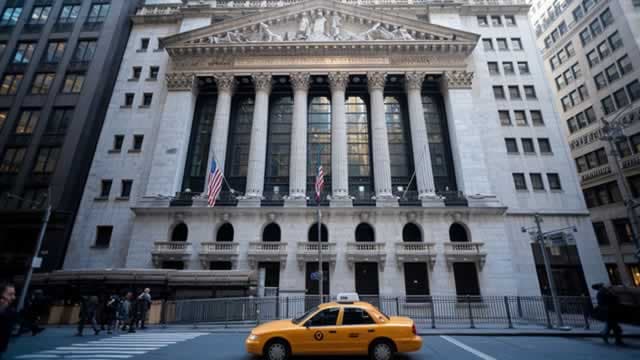
It's an aggressive trading strategy that is intended to generate big returns on securities with high implied volatility created by exogenous events.
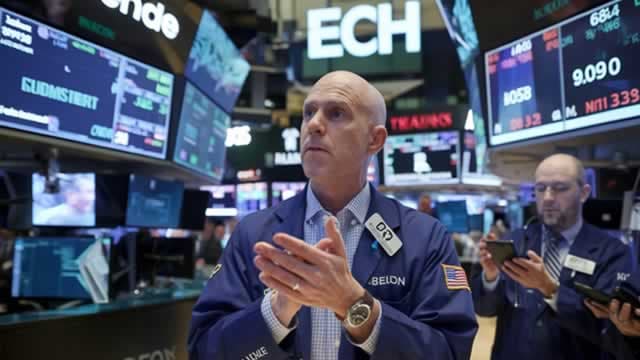
European stocks are expected to open sharply higher on Wednesday following news of the U.S. and Iran's ceasefire deal.

India's central bank on Wednesday held its key policy rates. A Reuters poll of economists had forecasted the policy rate to remain unchanged at 5.25%.

US futures surge as Iran ceasefire lifts sentiment, with S&P500 targeting a 50-day MA breakout while oil plunges on hopes of Hormuz reopening.

As I write this, we are only 3 hours away from Trump's ultimatum to Iran: open the strait or face annihilation. There is little in the way of market pricing that suggests investors are very concerned about the consequences of today's upcoming events.

U.S. stock futures were surging and oil prices falling after President Donald Trump said he was suspending Iran attacks for two weeks, subject to agreements from Tehran. Trump says the U.S. has received a 10-point proposal from Iran, and believes it is a workable basis on which to negotiate.