
加载中...
共找到 18,286 条相关资讯

The Investment Committee debate the fragile ceasefire in the Middle East and what it means for the market and your money. They share their strategies for the weeks ahead.


IMF managing director Kristalina Georgieva joins 'Money Movers' to discuss the Iran war's impact to the global economy, inflation, and more.
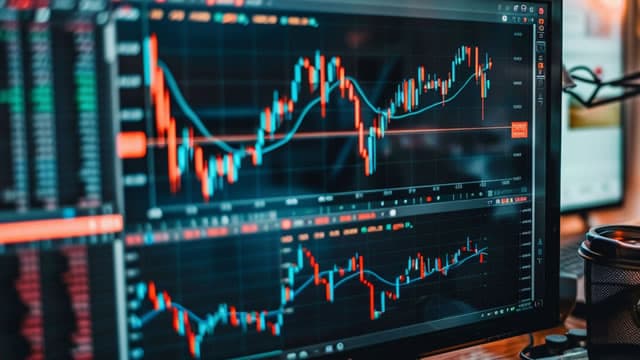
U.S. stocks held modest midday gains Thursday as tentative Lebanon–Israel diplomatic overtures introduced a fragile layer of optimism into an otherwise tense geopolitical backdrop.

While institutional investors drove Wednesday's rally, retail investors took it as an opportunity to cash out.

Key Takeaways:
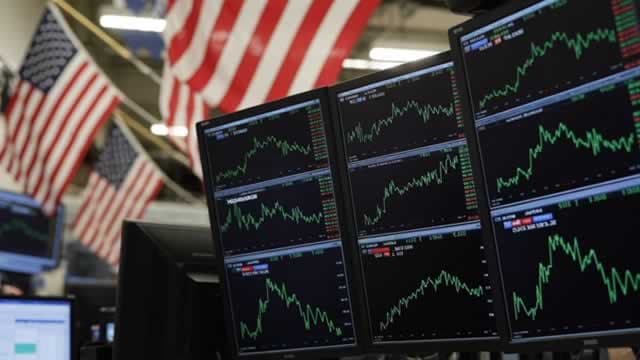
GAAP Earnings are a flawed metric because of the numerous accounting rule loopholes that open the door for legal earnings manipulation.

India is fleshing out the Gujarat International Financial Tec-City's regulatory infrastructure, including fund management, payments and accounting and taxation.

Jeremy Siegel thinks stocks may experience more turbulence ahead, despite the major averages posting sharp gains on Wednesday. “I don't think the short term looks all that favorable to me,” Siegel, professor emeritus at University of Pennsylvania's Wharton School of Business, told CNBC on Thursday.

"This market has started to look very casino-like," says @CharlesSchwab's Liz Ann Sonders, making the case that "whipsaw" market moves are here to stay. She explains how short-term traders in equities and commodities have a significant hold of the driver's seat on Wall Street.

The recent drop of the S&P 500 does not represent a buying opportunity, as downside risk has increased further in recent months. There is a high probability of a deeper market correction in 2026, driven by deteriorating financial conditions and consumer headwinds.

I see the current "cease-fire" around the Strait of Hormuz as a temporary, ambiguous arrangement, not a true resolution or investment catalyst. Persistent operational uncertainty at Hormuz, unresolved Lebanon tensions, and shifting U.S. strategy drive ongoing volatility in energy markets and risk assets.
The war with Iran will have a lingering economic fallout.
March CPI is expected to show the inflationary hit from higher oil prices, but investors will be watching whether price pressures are spreading beyond energy.

Still-high oil prices have investors wondering which areas could help keep the market moving higher after Wednesday's rally.

Stocks that pay generous dividends should help investors stay calm—no matter what the world throws at them this year.
February's wholesale inventories print came in better than expected while GDP and core PCE fell slightly below Wall Street estimates. Kevin Green breaks down the slew of delayed economic data and how it all plays into expectations for Friday's CPI.

A close look at valuations for the largest U.S. banks highlights opportunities for long-term investors.

While the Iran war poses a risk, portfolio managers say emerging markets can continue their run-up thanks to improving fundamentals

Jeff Kilburg, Founder and CEO of KKM Financial, Tom Sosnoff, Co Founder and CEO of Lossdog, and Marc Short, Board Chair of Advancing American Freedom, say volatility is high but opportunities are emerging amid geopolitical risks.

Citigroup has raised its growth outlook for the US ETF market, projecting that assets under management could surpass $25 trillion by 2030, up sharply from current levels of $10.4 trillion as of March 2025. The forecast highlights strong inflow momentum and increasing investor preference for cost-efficient investment vehicles.