
加载中...
共找到 18,236 条相关资讯

Market direction is fundamentally driven by net money-creation from government net-transfers and bank credit expansion. Despite a $125B Y/Y shortfall in net-transfers, increased bank credit and nominal spending have offset the drag, supporting liquidity.


The Trump administration is trying to arrange a hearing for Kevin Warsh, its nominee to be the next chair of the Federal Reserve. Warsh has submitted financial discloses that are required before he can advance to that hearing, people familiar with the matter said Monday.
Confluence Investment Management offers various asset allocation products which are managed based on “top down,” or macro, analysis. We publish asset allocation thoughts on a bi-weekly basis, updating the report every other Monday, along with an accompanying podcast.

I maintain a bullish stance on the US stock market despite escalating Middle East tensions and the US blockade of the Strait of Hormuz. Over 75% of S&P 500 stocks trade above their 20-day moving average, signaling strong momentum and opportunity.

Many assumed that if the Middle East conflict lasted more than a few weeks, it would be meaningfully negative for risk assets. Markets appear to have made a judgment call.

Charles Kupchan, Council on Foreign Relations senior fellow, joins 'The Exchange' to discuss the Iran war, tariffs and much more.

Stocks were down in futures trading on the blockade before turning positive this afternoon. Software stocks soared, a sign investors could be looking to capitalize on beaten-down stocks.
Markets rallied on the U.S.-Israel-Iran ceasefire, which is less than a week old and already falling through. Oil prices have rebounded above $100 per barrel, with physical market prices significantly outpacing futures, signaling severe near-term scarcity.

Recent inflation data is sending two distinct signals. Headline CPI has moved higher as energy prices surged following the escalation of the Iran conflict, pulling inflation measures upward in a visible way.
The ceasefire gave the stock market the “move past the war” catalyst it had spent the prior week preparing for. The next hurdle will be the wave of bank earnings this week.
The Investment Committee debate how the war in Iran and earnings reports are guiding the market right now. They share their top strategies in this environment,
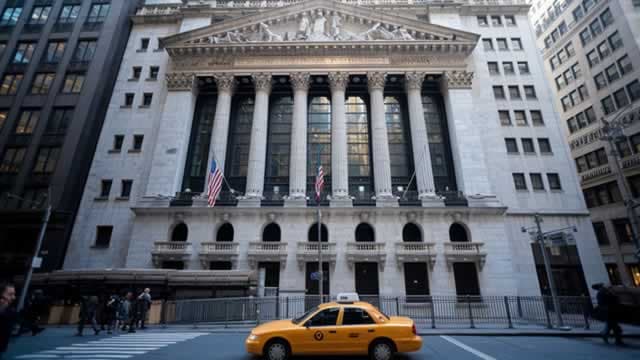
Shares of several companies selling stuff people want, rather than need, were trading lower Monday despite a recovery in the broader stock market, as Wall Street worried that failed Middle East peace talks would push up gasoline prices enough to crimp consumer spending.
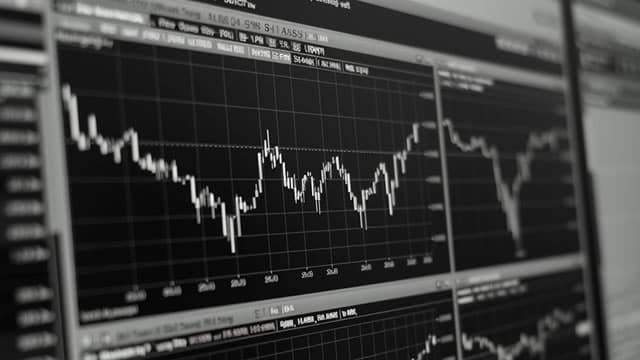
Amplify ETFs CEO Christian Magoon joins CNBC's 'Halftime Report' to discuss the biggest ETF trends amid the Iran War and higher oil prices as investors position for the volatility.

The S&P 500 Index reached its lowest closing low of the year at 6,343.72 on March 30th. This decline had the index down just over -9% from its January 27th high.

US stock benchmarks gapped down at their weekly open with the US-Iran ceasefire weakening. Crude oil rebounded above $100 with Islamabad talks compromised and a US blockade in Hormuz on its way.
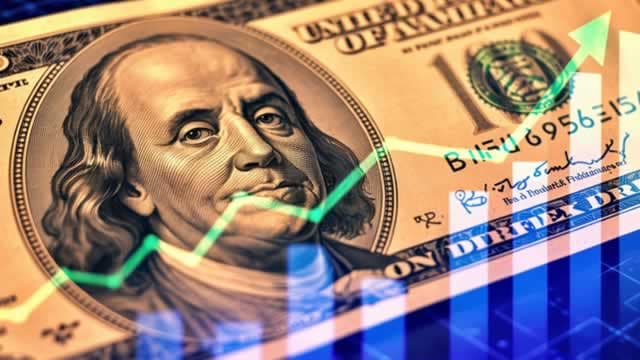
The U.S. dollar is up this year, based on Monday afternoon trading levels, following failed talks between the U.S. and Iran over the weekend to end the conflict in the Middle East.
The loss of Iranian crude exports is likely to intensify a worldwide scramble for crude.

Investors—and Washington—will need resolve to make it through the war in Iran, one market expert said today.

The stock market's “Halloween Indicator” is statistically significant during just one year of the presidential cycle.
Helium is running low because of the Iran War. Pavilion Global strategists offered up ways to play the shortage.